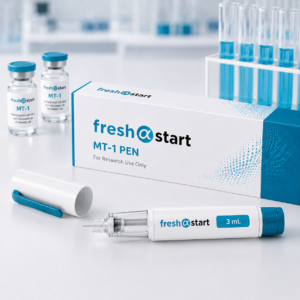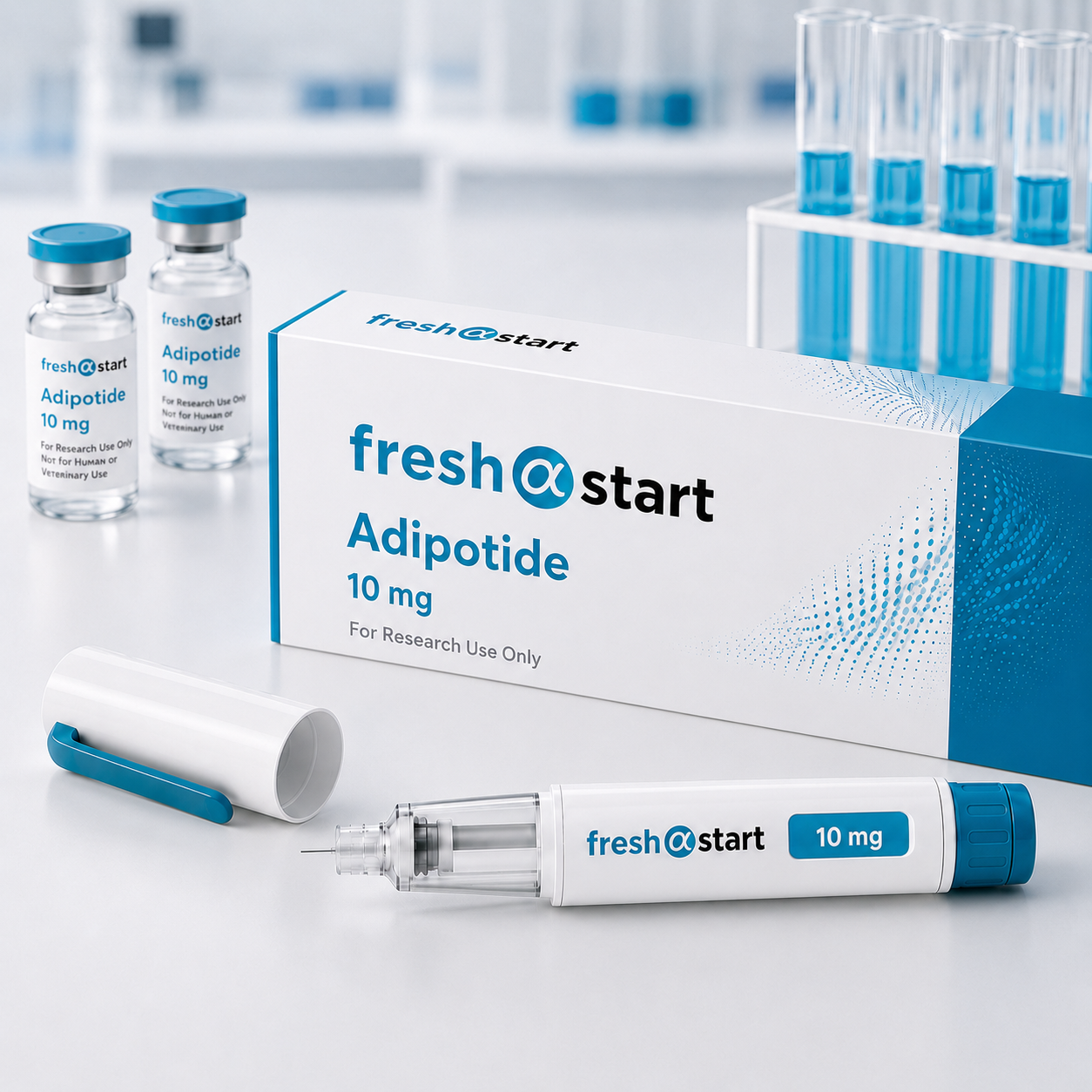
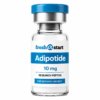
Adipotide
Price range: £35.00 through £80.00
CAS No: On request
Strengths Available: 5mg/10mg
Format: Sealed containment / vial presentations available
Volume: 3mL
What This Product Is About
Adipotide is frequently referenced in research focused on metabolic regulation, energy balance, and body-composition science. It has attracted scientific attention as a research tool for exploring how metabolic and appetite-signalling pathways are regulated.
Description
What is Adipotide?
Adipotide is a research-grade peptide studied in the context of metabolic signalling, energy balance, and related receptor pathways. Investigators have explored how Adipotide interacts with pathways relevant to glucose handling, appetite regulation, or lipid metabolism in laboratory models.
Why Researchers Became Interested in Adipotide
Researchers became interested in Adipotide because of its relevance to metabolic regulation and the study of energy-balance pathways.
It provides a defined research tool for examining metabolic signalling in experimental models.
Key Research Focus Areas
- Metabolic and energy-balance signalling models
- Glucose and lipid metabolism research
- Appetite and satiety pathway studies
- Receptor-binding and pathway investigations
- Body-composition research models
- Mitochondrial and cellular-energy research
What the Research Has Shown
In preclinical research, Adipotide has been studied for its influence on metabolic signalling and energy-balance pathways.
Mechanistic studies have explored its interaction with receptors and pathways central to metabolic regulation.
Scientific Background and Research Context
Adipotide, also known as Prohibitin-Targeting Peptide 1, is an experimental peptidomimetic investigated for its interaction with the blood vessels supporting white adipose tissue. Unlike compounds that primarily influence appetite or classical endocrine receptors, Adipotide was designed to examine whether adipose tissue could be studied through targeted vascular mechanisms.
Early preclinical research explored a ligand-directed structure intended to recognise molecular markers associated with the vasculature of white adipose tissue. The compound combines a targeting sequence with a pro-apoptotic component, creating a research model for investigating selective cellular delivery and vascular biology.
Exploring the Science Behind Adipotide
White adipose tissue depends on an extensive vascular network to transport oxygen and nutrients and to support tissue expansion. Adipotide research has focused on the hypothesis that disrupting selected blood vessels within adipose tissue may influence the maintenance and volume of that tissue.
In animal studies, the targeting component of Adipotide was investigated for its ability to bind to proteins associated with white-adipose-tissue vasculature. Following internalisation, its pro-apoptotic sequence was designed to affect mitochondrial membranes and promote programmed cell death within targeted vascular cells.
Preclinical studies in obese animal models reported reductions in adipose tissue, body weight and markers associated with insulin resistance. These findings remain preclinical and cannot be assumed to predict equivalent effects, safety or clinical outcomes in humans.
Research Context in Endocrine and Metabolic Science
Adipotide has attracted interest because adipose tissue is not simply an energy-storage compartment. It is a metabolically active and endocrine-responsive tissue involved in lipid storage, insulin sensitivity, inflammatory signalling and whole-body energy regulation.
Rather than directly reproducing the action of metabolic hormones, Adipotide provides a research model for examining the relationship between adipose vasculature and metabolic function. Scientists have used this area of investigation to explore how changes in white adipose tissue may affect fat distribution, glucose regulation, circulating insulin and broader metabolic adaptation.
Research has also highlighted the importance of carefully examining kidney function, vascular selectivity and systemic toxicity when evaluating targeted pro-apoptotic compounds. These safety considerations remain central to determining whether vascular-targeting strategies can ever be translated beyond controlled experimental settings.
Ongoing Scientific Interest
Scientific interest in Adipotide is connected to the broader study of targeted drug delivery, adipose-tissue vascular biology and the development of tissue-selective research compounds. Its structure illustrates how one molecular sequence may be used to identify a selected biological target while another component delivers a functional intracellular signal.
Future investigations may help researchers better understand the molecular characteristics of adipose vasculature, the role of blood-vessel remodelling in metabolic dysfunction and the limitations of targeted pro-apoptotic strategies.
However, available evidence remains largely based on laboratory and animal research. Adipotide should therefore be described as an investigational compound rather than an established weight-management therapy. Its effectiveness, appropriate exposure parameters and long-term safety in humans have not been established.
Ingredient Profile
Single research compound: Adipotide
CAS: On request
Purity >99%
Supplied as lyophilised powder (no excipients, fillers or additives).
Active Ingredients
Adipotide — 5mg/10mg
Ingredient Breakdown
Adipotide: 5mg/10mg of active peptide per vial (lyophilised).
Why is Adipotide studied in metabolic research?
Because studies have explored its relevance to metabolic regulation and energy-balance pathways.
Is Adipotide approved for medical use?
No. It is supplied strictly for research and laboratory use only, and is not intended for human or veterinary use.
Why does purity matter so much for this product?
High purity helps ensure that observed research effects are due to the material itself rather than impurities.
What does ‘research grade’ mean?
It means the product is supplied with documentation and traceability for laboratory investigation.
Is international supply available?
Yes. International fulfilment and temperature-controlled shipping can be supported where appropriate.
Research & laboratory use only. Not for human or veterinary use. Not a medicinal product, supplement, food or medical device. No therapeutic, diagnostic, cosmetic, wellness or lifestyle claims are made or implied. Analytical reference/click information is a laboratory measurement aid only and must not be applied to living systems.
Typically supplied at >99% purity, supported by batch-specific analytical data. UK-based preparation, analysis and release under scientist-led, GMP-aligned processes with full batch-level traceability. Certificate of Analysis (CoA) available on request; independent analytical verification where appropriate.
Store the lyophilised powder refrigerated at 2–8°C, protected from light and moisture; suitable for longer-term storage frozen at -20°C. Handle under appropriate laboratory conditions. For in vitro research use only.
For in vitro laboratory research only. Reconstitution, handling and experimental design at the discretion of the qualified researcher. The 300-click sealed-containment system is an analytical measurement reference only and does not represent dosing or administration guidance. Not for use in living systems.
Partner with FreshstartPharma– Where Accuracy Meets Innovation
Freshstartpharma is committed to delivering high-quality research-grade products designed for advanced scientific applications. We offer wholesale partnerships to selected businesses that share our values of integrity, quality, and innovation. Whether you’re an established distributor or an emerging research supply company, we invite you to join our network and benefit from exclusive access to our state-of-the-art product range.
Related Products
DSIP
5-Amino-1MQ
Glow 70 (BPC-157/TB-500/GHK-Cu)