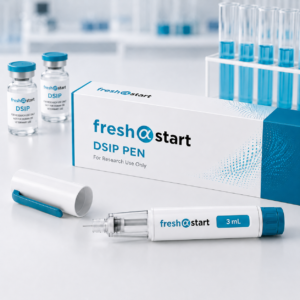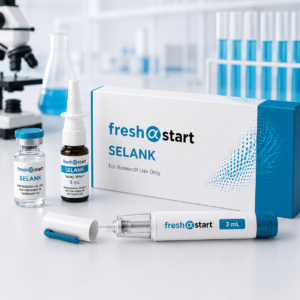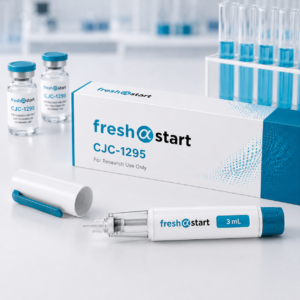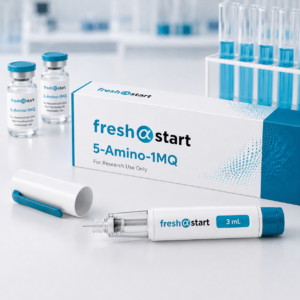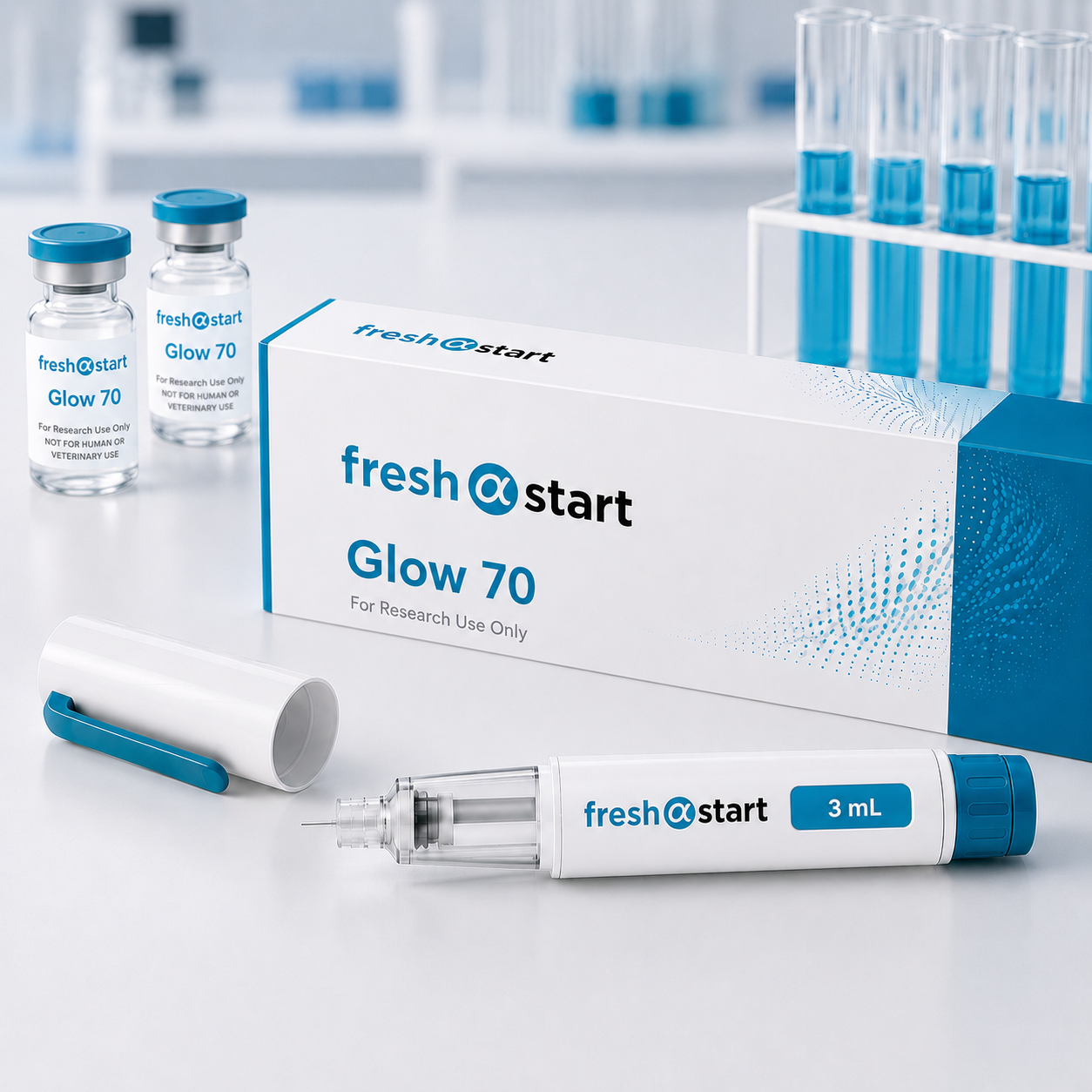
Glow 70 (BPC-157/TB-500/GHK-Cu)
Strengths Available: 10mg/10mg/50mg
Format: Sealed containment / vial presentations available
Volume: 3mL
What This Product Is About
The Glow Combo is a curated multi-peptide research combination bringing together three widely studied compounds that are frequently discussed in regenerative, tissue-repair, and skin biology research.
By grouping GHK-Cu, BPC-157, and TB-500 into a single research-oriented package, this combination allows researchers to explore complementary biological pathways involved in cellular repair, structural integrity, and tissue remodelling.
Description
What is Glow Combo?
GHK-Cu – 10mg
A copper-binding peptide studied for its role in cellular repair signalling, collagen synthesis, and skin and connective tissue biology.
BPC-157 -10mg
A synthetic peptide fragment investigated for its involvement in tissue integrity, angiogenesis, and gastrointestinal and musculoskeletal repair pathways.
TB-500 – 50mg
A synthetic fragment related to thymosin beta-4, widely studied for its role in cell migration, cytoskeletal organisation, and tissue regeneration research.
Why 5-Amino-1MQ Attracted Research Interest
Researchers were drawn to Glow 70 (BPC157/TB500/GHK-CU) because it appeared to influence fundamental repair and recovery pathways rather than acting on a single organ or system.
It provides a useful research tool for studying how biological systems respond to injury, stress, and the process of tissue remodelling.
Key Research Focus Areas
- Connective tissue, tendon, and ligament repair models
- Muscle injury and recovery studies
- Blood vessel formation and vascular response
- Inflammation and oxidative stress pathways
- Cellular protection and tissue remodelling
- Recovery-focused experimental models
What the Research Has Shown
In preclinical research, Glow 70 (BPC157/TB500/GHK-CU) has been associated with supported healing and recovery responses across a variety of tissue models.
Mechanistic studies have explored its interaction with pathways relevant to angiogenesis, cellular protection, and tissue remodelling.
Scientific Background and Research Context
Glow 70 is a multi-peptide research compound combining BPC-157, TB-500, and GHK-Cu. These peptides are commonly studied in relation to tissue repair biology, extracellular matrix remodelling, angiogenesis, inflammatory signalling, and skin-supportive regenerative pathways. The scientific interest behind this combination comes from the fact that each peptide is connected to a different but complementary area of repair and regeneration research.
Glow 70 is studied because it brings together three peptide pathways often discussed in repair-focused research:
BPC-157 is a synthetic peptide fragment that has been investigated mainly in preclinical models for its potential role in tendon, ligament, muscle, gastrointestinal, and soft-tissue repair processes. Research reviews describe BPC-157 as being associated with fibroblast activity, collagen synthesis, angiogenesis, and nitric-oxide-related signalling, although much of the evidence remains preclinical.
TB-500 is commonly associated with thymosin beta-4, a naturally occurring actin-binding peptide studied for wound healing, cell migration, angiogenesis, and tissue repair. In animal wound-healing research, thymosin beta-4 increased re-epithelialisation and wound contraction compared with controls, making it an important reference compound in repair biology.
GHK-Cu is a naturally occurring copper-binding tripeptide studied in skin biology, collagen regulation, antioxidant pathways, and tissue remodelling. Reviews describe GHK-Cu as having regenerative and protective actions, including relevance to skin repair, extracellular matrix support, and age-related changes in tissue function.
Exploring the Science Behind the Combination
The rationale for studying BPC-157, TB-500, and GHK-Cu together is based on their overlapping relevance to repair signalling, while each compound may support a different stage of the repair process in research models.
BPC-157 is often discussed in relation to fibroblast behaviour, collagen organisation, angiogenesis, and tissue recovery pathways. TB-500 / thymosin beta-4 is studied for cell migration, actin regulation, re-epithelialisation, and formation of new blood vessels. GHK-Cu is studied for copper-dependent tissue remodelling, collagen and elastin support, and skin-regenerative gene expression.
Together, these areas make Glow 70 relevant to scientific studies focused on:
- Extracellular matrix remodelling
- Collagen and elastin biology
- Angiogenesis and microvascular support
- Fibroblast and keratinocyte activity
- Wound-healing models
- Oxidative-stress and inflammatory signalling
- Skin and soft-tissue repair research
Research Context in Skin, Tissue, and Regenerative Science
Glow 70 is best understood as a research blend designed around the broader concept of tissue recovery and repair biology. It is not a single naturally occurring peptide, but a combined research formulation containing three compounds that have each been studied separately.
In skin and soft-tissue research, these mechanisms are relevant because tissue repair requires coordinated activity across multiple biological systems. Cells must migrate, new extracellular matrix must be formed, collagen must be organised, inflammation must be regulated, and blood-vessel growth may be needed to support the repair environment.
This is why combinations such as BPC-157 / TB-500 / GHK-Cu are often positioned within research discussions around regenerative signalling, skin-quality research, connective-tissue biology, and post-stress tissue remodelling.
Important Regulatory Context
Glow 70 should not be described as an approved medicine or treatment. The FDA has raised safety and data-limit concerns around several peptide bulk substances used in compounding, including TB-500, noting limited human exposure data and concerns such as immunogenicity and peptide-related impurities.
Therefore, a safe website wording would be:
Glow 70 is a research compound combining BPC-157, TB-500, and GHK-Cu, studied for its relevance to tissue repair, extracellular matrix remodelling, and skin-related regenerative pathways. It is intended for research and laboratory use only. Not for human or veterinary use.
For research and laboratory use only. Not for human or veterinary use.
Ingredient Profile
Single research compound: Glow 70 (BPC-157/TB-500/GHK-Cu). CAS: —. Purity >99%. Supplied as lyophilised powder (no excipients, fillers or additives).
Active Ingredients
Glow 70 (BPC-157/TB-500/GHK-Cu) — 10 / 10 / 50mg
Ingredient Breakdown
Blend components: Glow 70 (BPC-157/TB-500/GHK-Cu). Per-vial strengths: 10 / 10 / 50mg.
Why is Glow 70 (BPC157/TB500/GHK-CU) studied in repair and recovery research?
Because studies have explored how it influences repair and recovery responses across different tissue models.
Is Glow 70 (BPC157/TB500/GHK-CU) approved for medical use?
No. It is supplied strictly for research and laboratory use only, and is not intended for human or veterinary use.
Why does purity matter so much for this product?
High purity helps ensure that observed research effects are due to the material itself rather than impurities. What does ‘research grade’ mean? It means the product is supplied with”
What does ‘research grade’ mean?
It means the product is supplied with documentation and traceability for laboratory investigation.
Is international supply available?
Yes. International fulfilment and temperature controlled shipping can be supported where appropriate.
Research & laboratory use only. Not for human or veterinary use. Not a medicinal product, supplement, food or medical device. No therapeutic, diagnostic, cosmetic, wellness or lifestyle claims are made or implied. Analytical reference/click information is a laboratory measurement aid only and must not be applied to living systems.
Typically supplied at >99% purity, supported by batch-specific analytical data. UK-based preparation, analysis and release under scientist-led, GMP-aligned processes with full batch-level traceability. Certificate of Analysis (CoA) available on request; independent analytical verification where appropriate.
Store the lyophilised powder refrigerated at 2–8°C, protected from light and moisture; suitable for longer-term storage frozen at -20°C. Handle under appropriate laboratory conditions. For in vitro research use only.
For in vitro laboratory research only. Reconstitution, handling and experimental design at the discretion of the qualified researcher. The 300-click sealed-containment system is an analytical measurement reference only and does not represent dosing or administration guidance. Not for use in living systems.
Partner with FreshstartPharma– Where Accuracy Meets Innovation
Freshstartpharma is committed to delivering high-quality research-grade products designed for advanced scientific applications. We offer wholesale partnerships to selected businesses that share our values of integrity, quality, and innovation. Whether you’re an established distributor or an emerging research supply company, we invite you to join our network and benefit from exclusive access to our state-of-the-art product range.