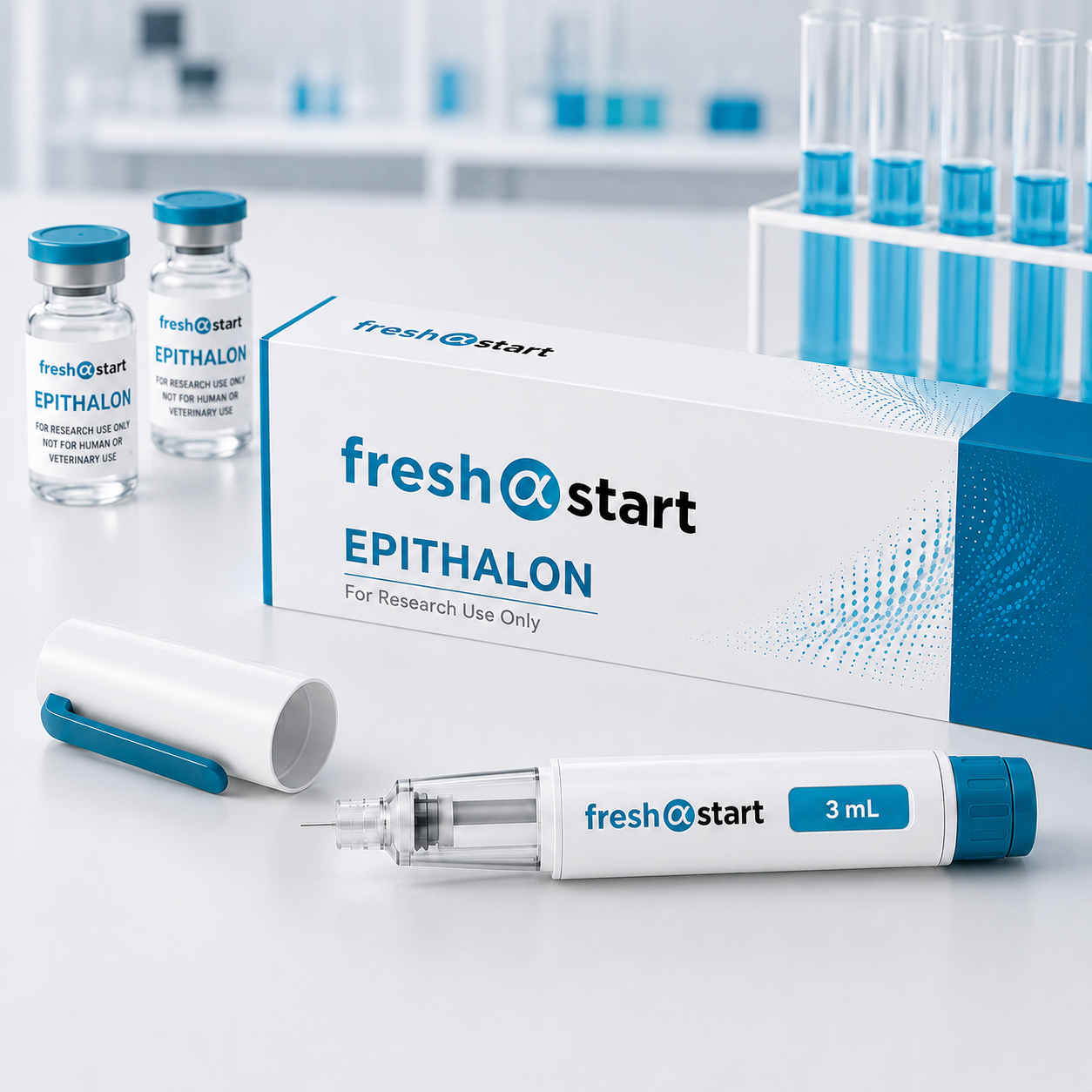
Epithalon
CAS Number: 307297-39-8
Strengths Available: 10mg / 30mg / 50mg
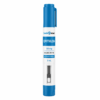
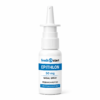
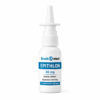
Format: Sealed containment / vial presentations available
Volume: 3mL
What Epithalon is about
Epithalon is a synthetic tetra peptide that has been discussed in scientific literature for its association with circadian rhythm regulation, cellular ageing pathways, and genomic stability research. It is closely linked to research into the pineal gland and melatonin signalling, which has positioned Epithalon as a point of interest in studies exploring biological ageing and long-term cellular regulation.
Description
What Is Epithalon?
In simple terms, Epithalon is a small signalling peptide studied for how it may influence the timing systems inside cells and how cells behave as they age.
Rather than acting as a hormone itself, it is examined as a regulator of internal biological clocks and gene expression related to cellular lifespan.
Why Researchers Study Epithalon
- Investigation of circadian rhythm regulation
- Study of pineal gland signalling and melatonin pathways
- Exploration of telomere dynamics and cellular ageing
- Research into gene expression and epigenetic regulation
- Examination of long-term cellular stability and repair mechanisms
What the Research Has Shown
Research literature has explored Epithalon’s influence on telomerase activity and telomere length in experimental models, which has linked it to broader studies of cellular ageing. Additional studies have examined its role in circadian synchronisation, melatonin production, and neuroendocrine regulation. These findings describe biological effects observed in controlled research settings and do not constitute approved medical or longevity claims
Scientific Background and Mechanism of Action of Epithalon
Epithalon, also known as Epitalon, is a synthetic tetrapeptide modelled on naturally occurring pineal peptides. It has been studied for its potential role in circadian rhythm regulation, telomere biology, cellular ageing pathways, and long-term cellular function.
Epithalon attracted research interest because the pineal gland is closely involved in biological rhythm regulation, melatonin signalling, and age-related endocrine changes.
Scientific Background
The pineal gland plays an important role in regulating circadian rhythms through the production of melatonin. As organisms age, changes in pineal function, sleep-wake regulation, oxidative balance, and cellular repair processes become areas of scientific interest.
Epithalon has been investigated as part of research into how short regulatory peptides may influence cellular communication, gene expression, and ageing-related biological pathways.
One of the main reasons Epithalon is discussed in ageing research is its reported association with telomere biology. Telomeres are protective structures located at the ends of chromosomes. They naturally shorten as cells divide, and this shortening is often studied as one marker of cellular ageing.
Mechanism of Action
Epithalon is believed to act through regulatory effects on cellular signalling and gene expression pathways. Research has explored its possible influence on telomerase activity, pineal signalling, melatonin regulation, and cellular stress-response mechanisms.
Telomerase is an enzyme involved in maintaining telomere length. Because telomere stability is connected to long-term cellular function, Epithalon has been studied in relation to cellular ageing, genomic stability, and tissue-maintenance pathways.
Epithalon has also been examined for its relationship with circadian rhythm regulation. Since pineal peptides are linked to melatonin biology, researchers have explored whether Epithalon may influence sleep-wake signalling and biological timing mechanisms in experimental models.
Key Research Areas
- Telomere biology
- Telomerase activity
- Circadian rhythm regulation
- Pineal peptide signalling
- Melatonin-related pathways
- Ageing-related cellular research
- Genomic stability
- Oxidative stress and cellular resilience
Research Context
Epithalon remains of interest because ageing is a complex biological process involving cellular repair, DNA stability, mitochondrial function, endocrine signalling, and circadian rhythm regulation.
In research settings, Epithalon is commonly studied as a regulatory peptide connected to pineal biology, telomere maintenance, and ageing-related cellular pathways.
Overall, Epithalon is best understood as a research peptide used to study circadian biology, telomere regulation, cellular ageing, and long-term genomic stability.
For research and laboratory use only. Not for human or veterinary use.
Ingredient Profile
Single research compound: Epithalon. CAS: 307297-39-8. Purity >99%. Supplied as lyophilised powder (no excipients, fillers or additives).
Active Ingredients
Epithalon — 10 / 30 / 50mg
Ingredient Breakdown
Epithalon: 10 / 30 / 50mg of active peptide per vial (lyophilised).
What is Epithalon best known for in research?
Epithalon is best known for its association with circadian rhythm regulation, telomere biology, and ageing-related cellular research.
Is Epithalon naturally occurring?
Epithalon is a synthetic peptide modelled on naturally occurring pineal peptides.
Why is it linked to ageing research?
Epithalon is linked to ageing research because studies have explored its influence on telomerase activity and long-term cellular regulation.
Does Epithalon affect melatonin?
Research has examined Epithalon’s relationship with pineal signalling and melatonin pathways.
Is Epithalon a longevity treatment?
No. Epithalon is supplied strictly for research and laboratory investigation only.
Why is Epithalon still studied today?
Epithalon is still studied because cellular ageing, circadian rhythms, and genomic stability remain major areas of scientific interest.
Why does purity matter for Epithalon research?
High purity ensures that observed experimental effects are attributable to the peptide itself.
What does “research grade” mean?
It indicates that the product is supplied with documentation and batch traceability suitable for laboratory work.
What is the sealed containment device used for?
It provides a consistent analytical reference system for accurate laboratory measurement.
Does the click system indicate dosing?
No. It is a measurement reference only and not instructions for use.
Can Epithalon be supplied internationally?
Yes. International fulfilment and temperature-controlled shipping can be supported where appropriate.
Research & laboratory use only. Not for human or veterinary use. Not a medicinal product, supplement, food or medical device. No therapeutic, diagnostic, cosmetic, wellness or lifestyle claims are made or implied. Analytical reference/click information is a laboratory measurement aid only and must not be applied to living systems.
Typically supplied at >99% purity, supported by batch-specific analytical data. UK-based preparation, analysis and release under scientist-led, GMP-aligned processes with full batch-level traceability. Certificate of Analysis (CoA) available on request; independent analytical verification where appropriate.
Store the lyophilised powder refrigerated at 2–8°C, protected from light and moisture; suitable for longer-term storage frozen at -20°C. Handle under appropriate laboratory conditions. For in vitro research use only.
For in vitro laboratory research only. Reconstitution, handling and experimental design at the discretion of the qualified researcher. The 300-click sealed-containment system is an analytical measurement reference only and does not represent dosing or administration guidance. Not for use in living systems.
Partner with FreshstartPharma– Where Accuracy Meets Innovation
Freshstartpharma is committed to delivering high-quality research-grade products designed for advanced scientific applications. We offer wholesale partnerships to selected businesses that share our values of integrity, quality, and innovation. Whether you’re an established distributor or an emerging research supply company, we invite you to join our network and benefit from exclusive access to our state-of-the-art product range.