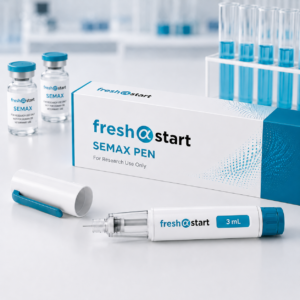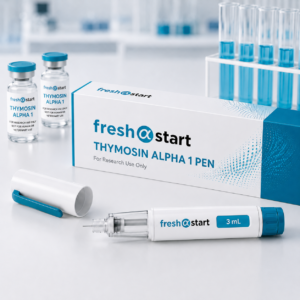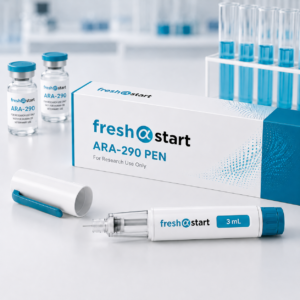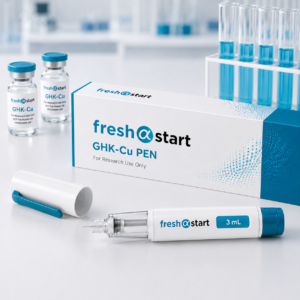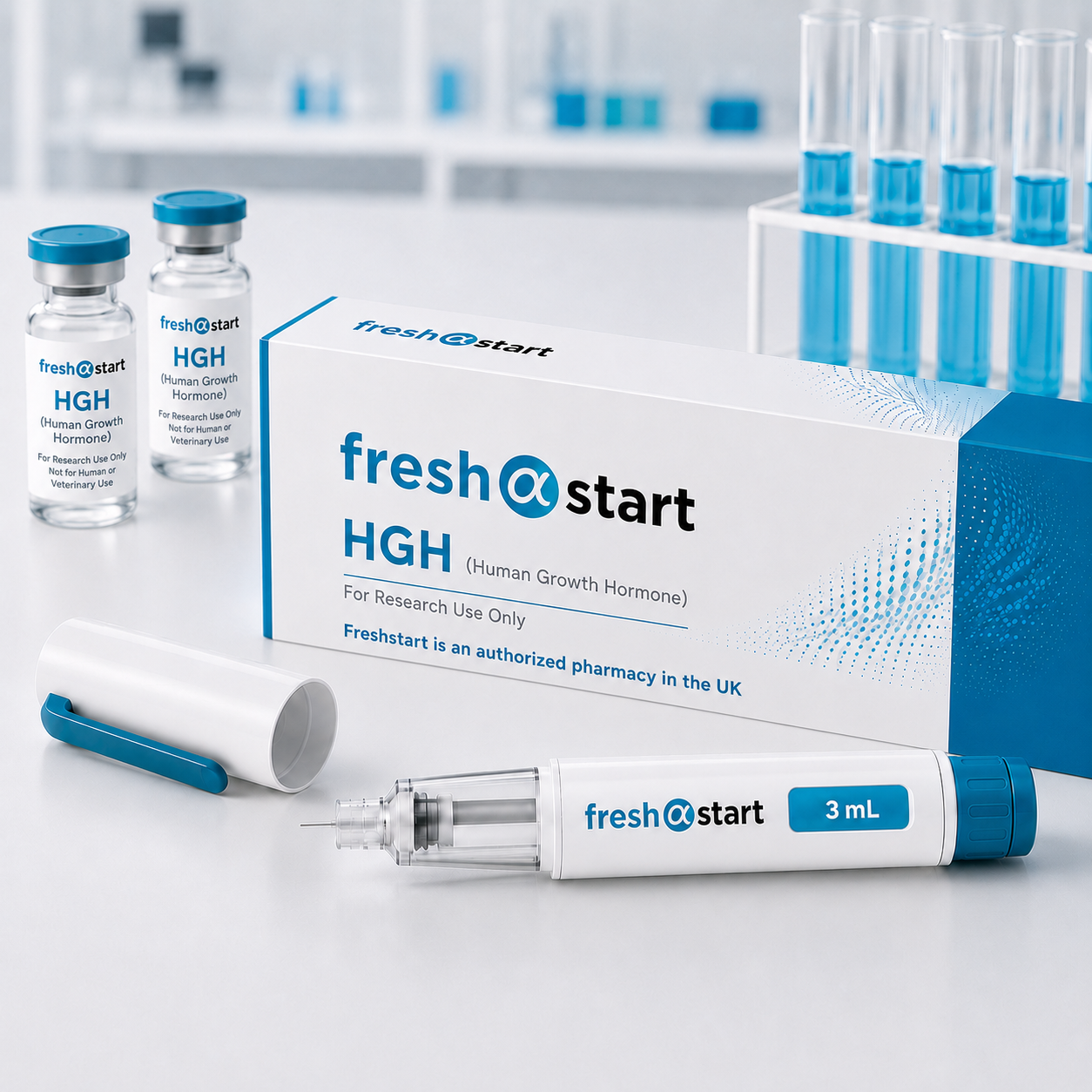
HGH (Human growth hormone)
CAS No: On request
Strengths Available: 6iu/10iu/15iu
Format: Sealed containment / vial presentations available
Volume: 3mL
What This Product Is About
HGH (Human growth hormone) is a research-grade peptide referenced in laboratory investigation across a range of biological signalling pathways. It has attracted scientific attention as a defined research tool for exploring receptor activity and cellular signalling under controlled conditions.
Description
What is HGH (Human growth hormone)?
HGH (Human growth hormone) is a synthetic research peptide supplied for in vitro research, analytical validation, and laboratory investigation.
Investigators have explored how HGH (Human growth hormone) interacts with receptors and signalling pathways relevant to its structural class in laboratory models.
Why Researchers Became Interested in HGH (Human growth hormone)
Researchers became interested in HGH (Human growth hormone) as a defined research tool for examining specific signalling pathways and receptor activity. It supports controlled, reproducible study of biological signalling in experimental models.
Key Research Focus Areas
- Receptor-binding and signalling-pathway models
- Cellular-response and mechanism studies
- Analytical validation and reference work
- Structure–activity research
- Pathway-characterisation investigations
- Comparative peptide research
What the Research Has Shown
In preclinical and in vitro research, HGH (Human growth hormone) has been studied for its interaction with pathways relevant to its structural class. Mechanistic studies have explored its receptor activity and downstream signalling in controlled models.
Scientific Background and Research Context
Human Growth Hormone (HGH), also known as growth hormone or somatotropin, is a naturally occurring protein hormone produced by somatotroph cells within the anterior pituitary gland. Its secretion occurs in pulses and is influenced by several physiological factors, including sleep, nutrition, exercise, stress, age and metabolic status. Growth hormone-releasing hormone supports HGH secretion, while somatostatin provides inhibitory regulation. Recombinant human growth hormone, commonly called somatropin, consists of 191 amino acids and is designed to match the principal form of naturally occurring human growth hormone.
Exploring the Science Behind HGH
HGH produces its biological effects by binding to growth hormone receptors located across a range of tissues. Receptor activation initiates intracellular signalling pathways that influence gene expression, cellular growth and metabolic activity. Some actions occur directly, while others are mediated through insulin-like growth factor 1, commonly known as IGF-1. The liver is a major source of circulating IGF-1, although IGF-1 is also produced locally within tissues. Researchers continue to examine how direct HGH signalling and the wider GH–IGF-1 axis coordinate tissue development, skeletal growth and cellular adaptation.
Research Context in Endocrine and Metabolic Science
HGH is studied extensively because its activity extends beyond childhood growth. It participates in the regulation of protein, lipid and carbohydrate metabolism throughout adult life. Experimental and clinical research has examined its relationship with protein synthesis, amino-acid utilisation, lipid mobilisation, glucose regulation, bone remodelling and body composition. HGH signalling is therefore relevant to research involving endocrine balance, energy availability and the way tissues respond to fasting, exercise and other physiological demands.
Ongoing Scientific Interest
Scientific interest in HGH continues to develop as researchers investigate the complexity of pulsatile hormone secretion, receptor sensitivity and interactions between HGH, IGF-1, insulin and other endocrine signals. Studies also explore how the GH–IGF-1 axis changes across the lifespan and how differences in hormone exposure may influence musculoskeletal biology, adipose tissue, glucose homeostasis and cellular regulation. Because both insufficient and excessive HGH activity can produce significant physiological effects, carefully controlled research remains essential for understanding its broader biological role.
HGH and somatropin are associated with regulated medical use. This information is provided for scientific and educational purposes and should not be interpreted as medical advice or as support for unapproved use.
Ingredient Profile
Single research compound: HGH (Human growth hormone)
CAS: On request
Supplied as lyophilised powder (no excipients, fillers or additives).
Active Ingredients
HGH (Human growth hormone— 6iu/10iu/15iu
Ingredient Breakdown
HGH (Human growth hormone: 6iu/10iu/15iu of active peptide per vial (lyophilised).
What is HGH (Human growth hormone) used for in research?
It is supplied as a defined research tool for studying receptor activity and cellular signalling in controlled laboratory models.
Is HGH (Human growth hormone) approved for medical use?
No. It is supplied strictly for research and laboratory use only, and is not intended for human or veterinary use.
Why does purity matter so much for this product?
High purity helps ensure that observed research effects are due to the material itself rather than impurities.
What does ‘research grade’ mean?
It means the product is supplied with documentation and traceability for laboratory investigation.
Is international supply available?
Yes. International fulfilment and temperature-controlled shipping can be supported where appropriate.
Research & laboratory use only. Not for human or veterinary use. Not a medicinal product, supplement, food or medical device. No therapeutic, diagnostic, cosmetic, wellness or lifestyle claims are made or implied. Analytical reference/click information is a laboratory measurement aid only and must not be applied to living systems.
Typically supplied at >99% purity, supported by batch-specific analytical data. UK-based preparation, analysis and release under scientist-led, GMP-aligned processes with full batch-level traceability. Certificate of Analysis (CoA) available on request; independent analytical verification where appropriate.
Store the lyophilised powder refrigerated at 2–8°C, protected from light and moisture; suitable for longer-term storage frozen at -20°C. Handle under appropriate laboratory conditions. For in vitro research use only.
For in vitro laboratory research only. Reconstitution, handling and experimental design at the discretion of the qualified researcher. The 300-click sealed-containment system is an analytical measurement reference only and does not represent dosing or administration guidance. Not for use in living systems.
Partner with FreshstartPharma– Where Accuracy Meets Innovation
Freshstartpharma is committed to delivering high-quality research-grade products designed for advanced scientific applications. We offer wholesale partnerships to selected businesses that share our values of integrity, quality, and innovation. Whether you’re an established distributor or an emerging research supply company, we invite you to join our network and benefit from exclusive access to our state-of-the-art product range.