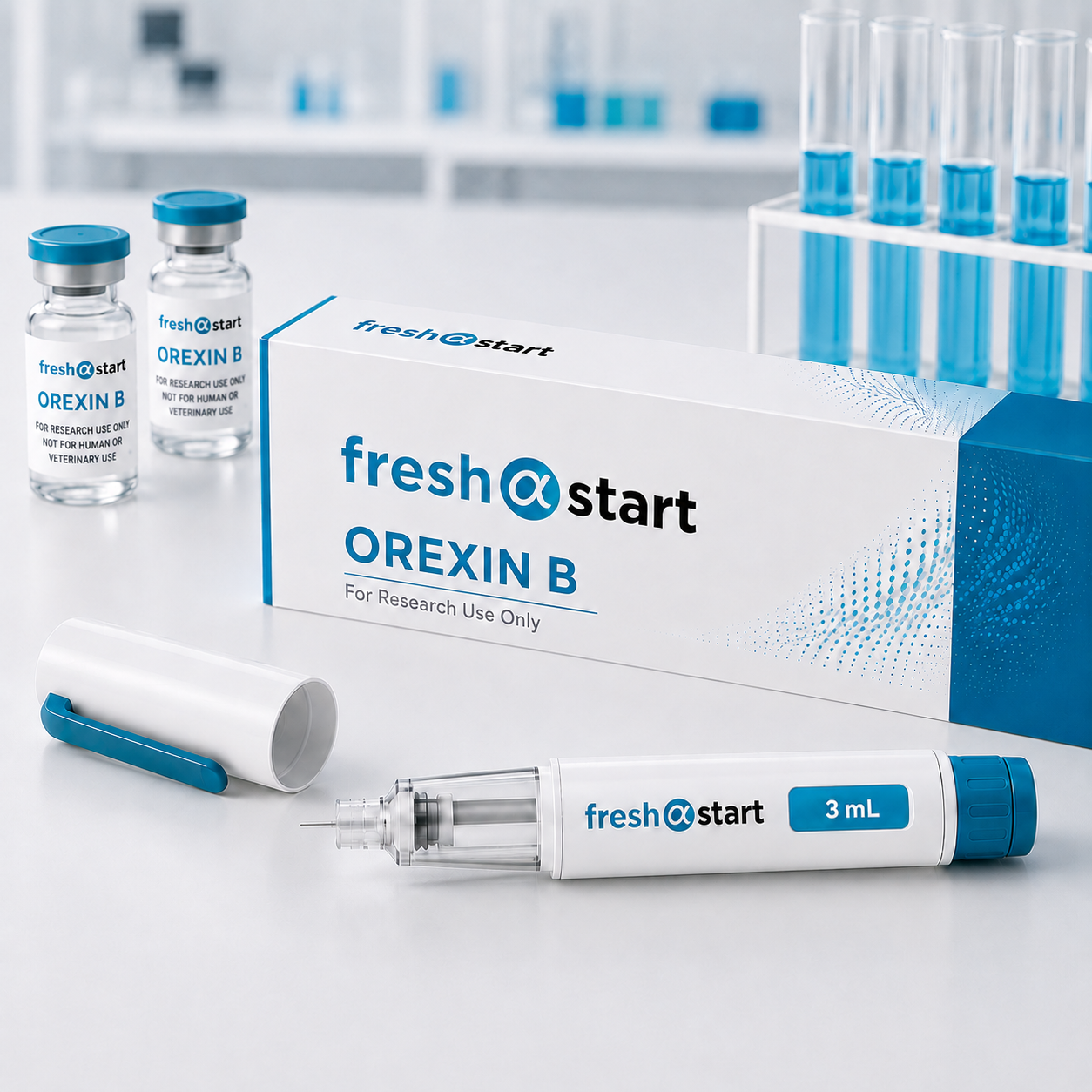
Orexin B
CAS No: On request
Strengths Available: 10mg
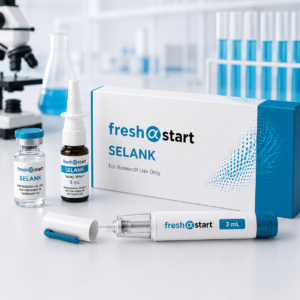
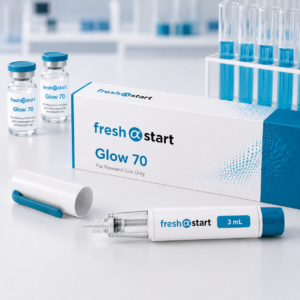
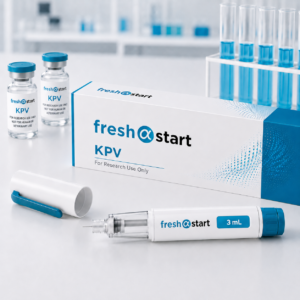
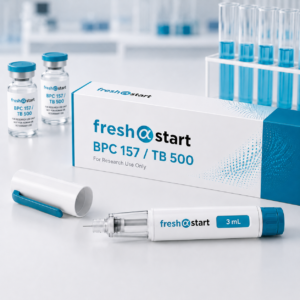
Format: Sealed containment / vial presentations available
Volume: 3mL
What This Product Is About
Orexin B is referenced in research focused on sleep biology and neuroregulatory signalling. It has attracted scientific attention as a research tool for exploring how sleep and related neural pathways are regulated.
Description
What is Orexin B
Orexin B is a research-grade peptide studied in the context of sleep-biology and neuroregulation research. Investigators have explored how Orexin B interacts with pathways relevant to sleep regulation and neural signalling in laboratory models.
Why Researchers Became Interested in Orexin B
Researchers became interested in Orexin B because of its relevance to sleep and neuroregulatory research. It provides a defined research tool for examining sleep-related pathways in experimental models.
Key Research Focus Areas
- Sleep-regulation and circadian models
- Neuroregulatory signalling studies
- Stress-response and recovery research
- Receptor-binding and pathway investigations
- Neuroprotection research models
- Neuroendocrine signalling investigations
What the Research Has Shown
In preclinical research, Orexin B has been studied for its influence on sleep-regulation and neuroregulatory pathways. Mechanistic studies have explored its interaction with pathways relevant to sleep and neural signalling.
Scientific Background and Research Context
Orexin B, also known as hypocretin-2, is an endogenous neuropeptide produced through the processing of the precursor protein prepro-orexin. It is a linear peptide composed of 28 amino acids and is primarily associated with orexin-producing neurons located within the lateral hypothalamic region. Orexin B is studied as part of the wider orexin signalling system, which also includes Orexin A and two G-protein-coupled receptors: orexin receptor type 1 (OX1R) and orexin receptor type 2 (OX2R).
Exploring the Science Behind Orexin B
Orexin B can interact with both OX1R and OX2R, although experimental binding studies indicate a stronger functional relationship with OX2R. OX2R binds Orexin A and Orexin B with broadly similar affinity, while OX1R generally demonstrates a substantially lower affinity for Orexin B than for Orexin A. This receptor profile makes Orexin B an important research material for investigating receptor subtype selectivity, ligand–receptor interactions and orexin-dependent cellular signalling.
Activation of orexin receptors has been associated in laboratory models with intracellular calcium mobilisation and several downstream signalling pathways. Research using recombinant human OX2R systems has examined pathways involving ERK1/2, p38 MAPK and other G-protein-mediated responses. These studies help researchers evaluate how Orexin B influences receptor activation under controlled cellular conditions.
Research Context in Endocrine and Metabolic Science
Orexin-producing neurons receive signals related to nutritional availability, physiological state and environmental conditions. Because these neurons project to multiple areas of the central nervous system, the orexin pathway is investigated in experimental models involving feeding behaviour, energy homeostasis, autonomic regulation and hypothalamic signalling.
Orexin receptors have also been identified experimentally in peripheral tissues, including human adipose tissue and pituitary cell populations. These observations have encouraged further research into the potential relationship between orexin receptor signalling, metabolic tissues and endocrine regulatory networks. Such findings remain dependent on the experimental model, receptor expression profile and study conditions.
Ongoing Scientific Interest
Orexin B remains scientifically relevant for receptor-binding assays, cellular signalling studies, behavioural research models and analytical method development. Current areas of investigation include OX2R selectivity, receptor kinetics, intracellular pathway activation, peptide stability, species-related sequence differences and the functional organisation of orexin-responsive neural circuits.
Continued research into Orexin B may improve scientific understanding of how peptide ligands communicate with orexin receptors across different experimental systems. Careful control of peptide identity, purity, storage conditions and analytical documentation is essential when Orexin B is used in laboratory research.
Research-Only Statement
Orexin B is supplied strictly for research use only. It is not intended for human or veterinary use and is not a medicine, medical device, cosmetic product, food, supplement or diagnostic product. It must not be used for administration, self-experimentation, diagnosis, prevention, monitoring, treatment or cure.
Ingredient Profile
Single research compound: Orexin B
CAS: On request
Purity >99%
Supplied as lyophilised powder (no excipients, fillers or additives).
Active Ingredients
Orexin B — 10mg
Ingredient Breakdown
Orexin B: 10mg of active peptide per vial (lyophilised).
Why is Orexin B studied in sleep research?
Because studies have explored its relevance to sleep regulation and neuroregulatory pathways.
Is Orexin B approved for medical use?
No. It is supplied strictly for research and laboratory use only, and is not intended for human or veterinary use.
Why does purity matter so much for this product?
High purity helps ensure that observed research effects are due to the material itself rather than impurities.
What does ‘research grade’ mean?
It means the product is supplied with documentation and traceability for laboratory investigation.
Is international supply available?
Yes. International fulfilment and temperature-controlled shipping can be supported where appropriate.
Research & laboratory use only. Not for human or veterinary use. Not a medicinal product, supplement, food or medical device. No therapeutic, diagnostic, cosmetic, wellness or lifestyle claims are made or implied. Analytical reference/click information is a laboratory measurement aid only and must not be applied to living systems.
Typically supplied at >99% purity, supported by batch-specific analytical data. UK-based preparation, analysis and release under scientist-led, GMP-aligned processes with full batch-level traceability. Certificate of Analysis (CoA) available on request; independent analytical verification where appropriate.
Store the lyophilised powder refrigerated at 2–8°C, protected from light and moisture; suitable for longer-term storage frozen at -20°C. Handle under appropriate laboratory conditions. For in vitro research use only.
For in vitro laboratory research only. Reconstitution, handling and experimental design at the discretion of the qualified researcher. The 300-click sealed-containment system is an analytical measurement reference only and does not represent dosing or administration guidance. Not for use in living systems.
Partner with FreshstartPharma– Where Accuracy Meets Innovation
Freshstartpharma is committed to delivering high-quality research-grade products designed for advanced scientific applications. We offer wholesale partnerships to selected businesses that share our values of integrity, quality, and innovation. Whether you’re an established distributor or an emerging research supply company, we invite you to join our network and benefit from exclusive access to our state-of-the-art product range.